London’s Victorian, Edwardian and Inter-War Housing and Legacy Lead Water Pipes: Evidence,…
Thames Water estimated 1.15 million lead communication pipes remained in its area in March 2025,…

Water testing for lead tells you what is actually in the water at your tap. Lead can enter your supply through the service pipe, hidden internal lead pipes, lead solder, old taps and fittings, or corroded iron pipes.
Even small amounts of lead exposure can be harmful, especially for children, pregnant women, and unborn babies, leading to behavioural problems, kidney damage, and other long-term health effects.
Our lead testing services help you protect your own home, rental properties, schools, nurseries, healthcare settings, and businesses. If you are concerned about lead in drinking water, deteriorating pipework, or contaminants reaching your kitchen tap, we provide on-site screening, accredited laboratory analysis, and clear next steps to reduce lead exposure.
Lead contamination is silent — you can’t see it, taste it, or smell it. It typically enters tap water through old lead service lines, deteriorating plumbing inside older houses, or connections between the communication pipe and private supply pipe. Many older UK homes still have pipework running from the water main to the internal plumbing that may be lead.
Even small amounts of lead in water can carry serious health risks. Lead particles can accumulate in the body, especially in children, leading to harmful health effects, including cognitive impairment and behavioural issues. Adults may experience high blood pressure, cardiovascular complications, and kidney damage. The World Health Organisation has made it clear that there is no safe level of lead exposure, which is why the aim is to remove lead from contact with drinking water rather than to keep it below a number.
If your property was built before 1970, there is a higher risk that lead pipework was used internally, externally, or as part of the original service connection. These pipes often have a dull grey colour, are softer than copper or steel, and may still be hidden beneath floors, within walls, or between the boundary and the property.
Because lead can leach into water during periods of stagnation, older pipework may result in elevated lead levels without any visible warning signs. Identifying whether lead materials are present allows you to take informed action to reduce exposure and keep your drinking water safe.
As a WaterSafe Approved Contractor, we operate within the framework of the Water Supply (Water Fittings) Regulations 1999. This allows us to carry out compliant work on drinking water systems and provide recognised certification of work completed. In many cases, this removes the need for separate water company inspection and provides a clear audit trail for property owners.
A laboratory can tell you how much lead is in a sample. It cannot tell you where the lead is coming from. We inspect the pipework before we test, so the result arrives with an explanation — which section of pipe is responsible, whether it sits on your side of the boundary or the water company’s, and what has to happen next.
We are always happy to provide advice and a free estimate without obligation
Take advantage of our limited-time offer and save 10% on all lead pipe replacement works.This discount applies to full supply-pipe renewals carried out by our approved moling contractors.
Not sure whether your property has lead pipes or elevated lead levels in your water? We offer a free lead content test to help you assess your risk before committing to replacement works.
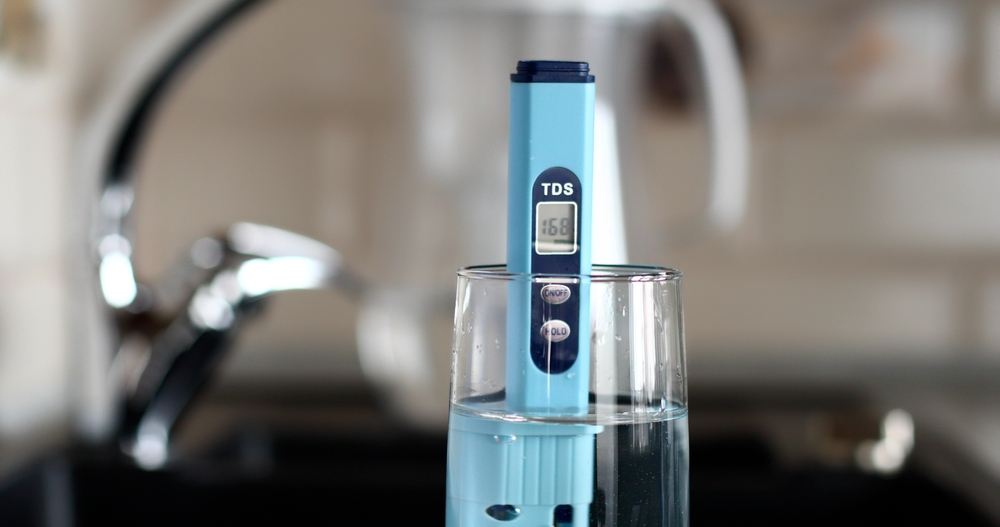
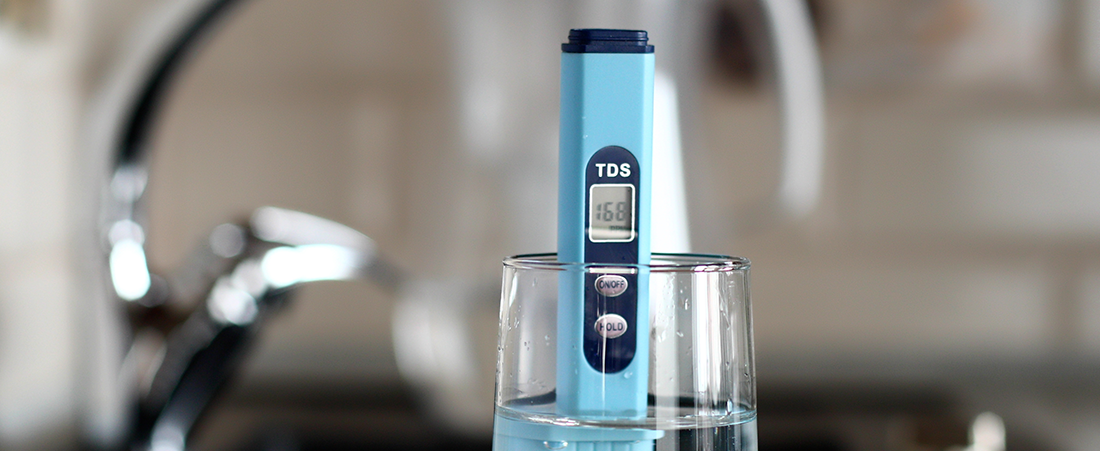
Lead testing is done in two stages, because no single test answers every question. On-site screening tells us quickly whether lead is present. Laboratory analysis tells us how much, and stands as an accredited result.
Gives a clear result on site in around three minutes, so you know whether lead is present before we leave, with no wait for laboratory turnaround.
Screening and laboratory analysis are used together. Which samples we take depends on what you need to know:
Testing is the first step — we also provide a clear route to full resolution.
If lead is detected in your water, we set out what is causing it, whose pipework is responsible, and a plan to remove it at source.
Where lead pipework remains anywhere between the water main and your kitchen tap, we will tell you, and explain what it would take to remove it.
Lead testing is especially important if:
If you are unsure whether your water contains lead, our simple instructions and expert assessment help you identify risks quickly.
From first enquiry to clear results, expert guidance, and a structured action plan — fast, straightforward, and focused on identifying risk, defining responsibility, and delivering the right solution for your property
Contact us to arrange a test and site survey.
Lead testing is often just the starting point of a wider water safety plan. Once you understand your current lead levels, you can take targeted action to safeguard your supply.
Clear answers to common questions about lead testing, water samples, responsibility, results, and what happens if lead is found.
On-site screening measures dissolved lead across a range of 1 to 100 µg/l, which is well below the concentrations of regulatory interest, and gives a reliable indication of whether lead is present. For formal reporting and compliance, samples are analysed by a UKAS-accredited laboratory using ICP-MS, quantifying total lead to around 0.1 µg/l.
On-site screening gives a result in around three minutes. Laboratory results typically take 3 to 5 working days from sample submission.
Lead pipes were phased out in the 1970s, so homes built after that are less likely to be affected. However, older areas or homes with partial renovations may still have legacy pipework, and lead‑based solder can also be present in older installations or from illegal post‑ban use in later DIY or unregulated works
No. Our testing and pipe replacement services are designed to be non-invasive and completed with minimal disruption. You can remain safely in your home during the process.
The most effective long-term solution is full pipe replacement. Certified filters and regular flushing protocols can reduce lead exposure in the short term.
Filters can help reduce lead at specific taps, but they are not a permanent solution and depend on being maintained and replaced correctly. Removing the lead pipework is the only way to remove the source.
On-site screening measures lead dissolved in the water and gives an immediate answer. Where lead is present as particles, released from corroding joints, old solder, or recent work on the pipework, laboratory analysis is needed to measure the total. Using both means a quick answer on the day and an accredited figure where it matters.
Yes. We regularly conduct testing for schools, healthcare facilities, office buildings, and housing associations. We also provide detailed documentation for compliance.
Absolutely. We assist with all paperwork and liaise directly with Thames Water, Affinity Water, or your local council to streamline the testing, reporting, and any replacement works.
Yes. Lead contamination can originate from pipework up to the property boundary, particularly where historic lead service pipes connect to the water main. Responsibility is divided at the boundary, and we can advise whether the issue sits with the homeowner or the water supplier.
Yes. Lead in drinking water is dangerous to human health even at low levels. There is no safe exposure threshold, which is why testing and remediation are recommended where lead is detected.
Lead levels can vary depending on the length, material, and condition of water pipes serving each outlet. Taps supplied by longer runs of older pipework may show more lead, particularly after stagnation.
In most cases, the water company owns the water main and communication pipe up to the boundary. The homeowner is responsible for the supply pipe and all the plumbing inside the property. We help establish responsibility and advise on the correct next steps.
Â
Articles covering drinking water quality, public health, water regulations and insight into water company operations.
Thames Water estimated 1.15 million lead communication pipes remained in its area in March 2025,…
The 10 microgramme lead limit is often misunderstood There is a lot of confusion about…
London’s Unfinished Lead Pipe Problem For many Londoners, lead pipes sound like a problem from…

We provide lead pipe testing and water quality sampling across all London boroughs and the wider Surrey and South East region, giving homeowners, landlords and buyers the clarity they need.
South London – Bromley – Croydon – Merton – Kingston upon Thames – Sutton – Wandsworth – West London – Brent – Ealing – Hammersmith & Fulham – Harrow – Richmond upon Thames – Hillingdon – Hounslow – East London – Barking & Dagenham – Bexley – Greenwich – Hackney – Havering – Lewisham – Newham – Redbridge – Tower Hamlets – Waltham Forest – North London – Barnet – Enfield – Haringey – Central London – Camden – City of London – Kensington & Chelsea – Islington – Lambeth – Southwark – Westminster – Surrey – Elmbridge – Epsom – Guildford – Mole Valley – Reigate – Runnymede – Spelthorne – Surrey Heath – Tandridge – Waverley – Woking
To discuss your situation, arrange a visit, or request a callback from one of our team.

Leave your details and we will call you back
Just fill out the form below or call free on 0800 037 1247, and one of our team will get back to you promptly to discuss your requirements.